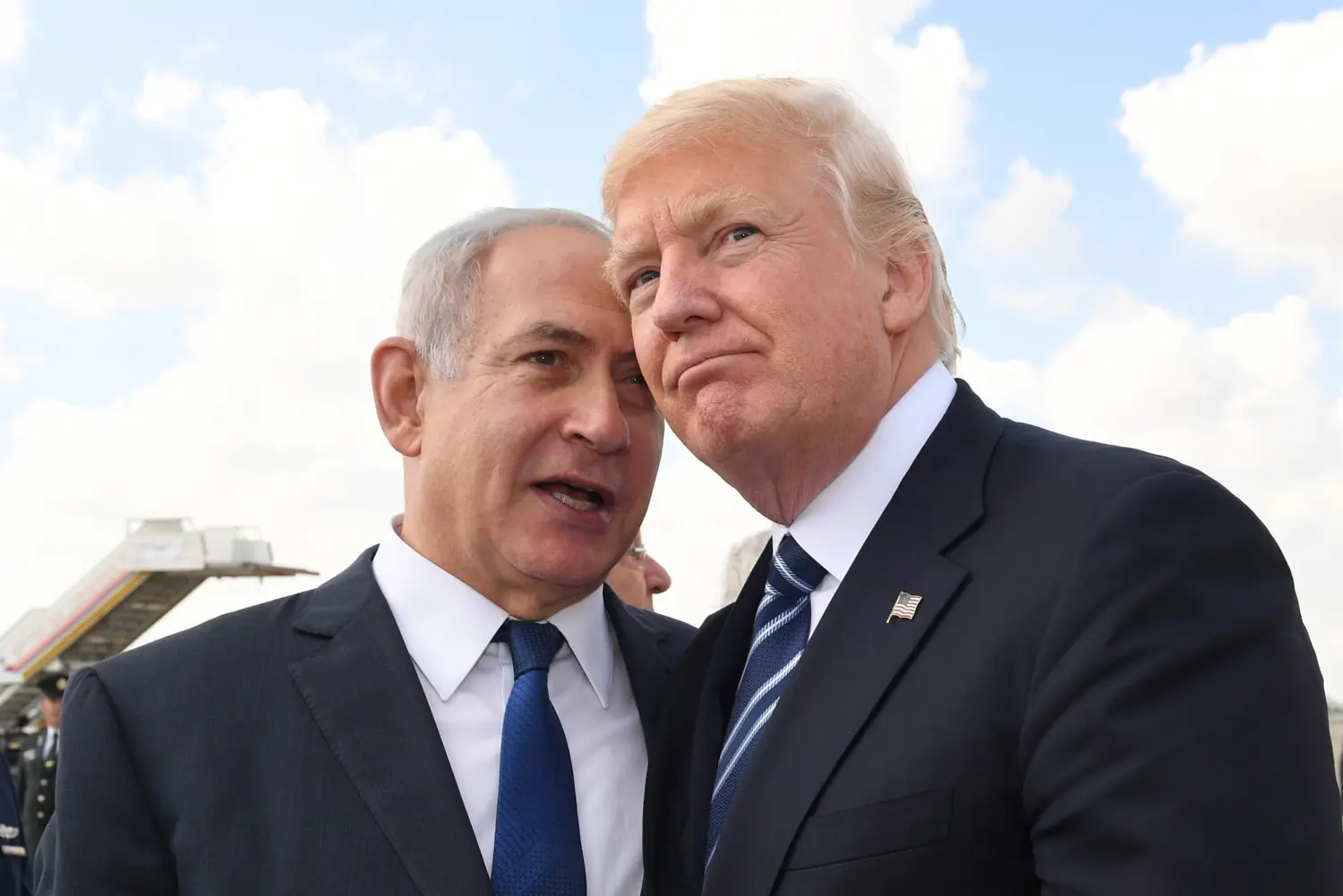

When Max Blumenthal, editor of The Grayzone and longtime critic of U.S. foreign policy, recently claimed that Donald Trump was afraid of Benjamin Netanyahu, it reignited a long-simmering debate over the true balance of power in the U.S.-Israeli relationship. The suggestion that a sitting U.S. president—let alone one as brash and unpredictable as Trump—could be cowed by a foreign leader raises profound questions about manipulation, influence, and the precarious intersection of American politics and Middle Eastern geopolitics.
Blumenthal’s remarks, amplified in interviews and livestream discussions, highlight what he describes as Netanyahu’s ruthless use of manipulation and fear—not just in Israel, but inside Washington itself. According to Blumenthal, Trump, like his predecessors, “completely crumbled” in front of Netanyahu, who has spent decades cultivating leverage over the Oval Office through lobbying, espionage, financial donors, and threats both implicit and explicit.
Trump’s Fear and Netanyahu’s Boasts
Blumenthal insists the evidence is clear: Trump was not just politically indebted to Netanyahu but personally intimidated by him. He cites accounts from insiders—including former Vice President Mike Pence—that confirm Trump privately worried about Netanyahu’s sway.
Further corroboration comes from conservative commentator Tucker Carlson, who claimed Netanyahu was openly boasting across the region that he “controlled Donald Trump.” This echoes a notorious 2001 video of Netanyahu addressing settlers in the West Bank, where he bragged that “the United States is a thing you can move easily.” That footage, still available online, captures the Israeli leader instructing aides to turn off cameras before making the admission.
“This is textbook Netanyahu,” Blumenthal argues. “He has always seen U.S. presidents as pawns in a much larger game.”
A Web of Donors and Lobbying Networks
Central to Blumenthal’s case is the role of AIPAC and billionaire donors who act as Netanyahu’s financial shock troops in Washington. From Oracle co-founder Larry Ellison to casino magnate Miriam Adelson, from financier Paul Singer to cosmetics heir Ron Lauder, Netanyahu has long cultivated a list of benefactors with direct lines to the Republican Party.
That influence, Blumenthal claims, even extends to the ongoing debate over TikTok’s future. Ellison, a staunch pro-Israel figure, has reportedly sought to acquire TikTok as the Biden administration pressures for a U.S. takeover. The motivation, Blumenthal argues, is less about China than about controlling the flow of images from Gaza, where graphic footage of civilian suffering has shifted American public opinion against Israel.
Assassination Attempts and Trump’s Vulnerability
Layered onto this narrative is a darker, more conspiratorial element: Trump’s awareness of assassination threats.
Blumenthal points to two documented attempts on Trump’s life—one involving a gunman in Pennsylvania whose bullet missed the former president’s head by mere millimeters, and another involving Ryan Routh, a U.S. citizen later linked to Ukraine’s international brigade. Routh’s case, largely buried in mainstream coverage, included bizarre details such as self-published manifestos and alleged ties to Capitol Hill figures.
Blumenthal suggests Trump has internalized these dangers, knowing that defying Netanyahu—or cutting off military aid to Israel—could invite retaliation. “Imagine a U.S. president angering a figure as powerful as Netanyahu, who commands assassins around the globe,” one commentator remarked during the livestream. “What would go through your head? Bullets, probably.”
Spying Inside the White House
Blumenthal’s claims also draw on credible past reporting of Israeli espionage inside the United States. In 2019, Politico revealed that Israeli intelligence had planted Stingray devices—surveillance tools that mimic cellphone towers—near the White House, specifically targeting Trump’s communications. Despite the damning evidence, the Trump administration declined to rebuke Israel.
The episode mirrors other eyebrow-raising incidents, including former UK Prime Minister Boris Johnson’s allegation in his 2024 memoir that Netanyahu’s entourage had bugged his personal bathroom during a visit. More recently, thousands of SIM-card-based spying devices were reportedly discovered in New York ahead of Netanyahu’s speech to the UN General Assembly, part of a broader Israeli surveillance operation against diplomats.
“These are not isolated incidents,” Blumenthal said. “They are part of a long-standing pattern: Israel spying on its so-called ally with impunity.”
Epstein, Kompromat, and the Speculative Dimension
Another layer of speculation surrounding Israel’s leverage over Trump involves the late financier and convicted sex offender Jeffrey Epstein. For years, Epstein’s activities have inspired dark theories about his potential role as a kompromat operative—someone who assembled compromising material on powerful figures and funneled it to intelligence services, possibly including Mossad.
One version of this theory holds that Epstein might have collected compromising information on Donald Trump and either transmitted it to Israeli intelligence or kept it in reserve as leverage. Adding to this are a cluster of contested claims:
- Melania’s introduction via Epstein’s social circle. Biographer Michael Wolff has claimed that Melania Trump was introduced to Donald Trump through Epstein’s milieu, particularly via the modeling agent Paolo Zampolli, who had ties to both Epstein and the fashion world. Melania and Trump have denied or disputed versions of that claim, and The Daily Beast later retracted an article asserting Epstein introduced them. On Melania’s Wikipedia page, she is listed as meeting Trump in 1998 through Zampolli, though it does not assert Epstein’s role.
- Trump’s travel on Epstein’s planes and visits to his properties. Flight logs show Trump listed on Epstein’s aircraft manifests at least seven times in the 1990s with companions including Marla Maples and others. Trump and Epstein were socially close in the 1990s, appearing together at parties and in Palm Beach/New York social scenes. Trump has used (after Epstein’s death) a plane once owned by Epstein for political travel. Though many rumors swirl, there is no confirmed, credible evidence that Trump visited Epstein’s private island estate. Trump has denied ever going, claiming he rejected an invitation.
- Epstein’s 2008 trip to Israel despite criminal charges. In 2008, as Epstein negotiated a controversial plea deal in Florida, archived video indicates he returned from Israel just before finalizing that plea. That he was apparently allowed to travel internationally under criminal jeopardy raised eyebrows. In subsequent legal filings, investigators found a foreign (expired) passport under a different name, diamonds, and cash in Epstein’s safe. Epstein’s defense claimed the alternate passport was for personal protection.
From a speculative standpoint, this trip to Israel offers a plausible vector: Epstein might have carried compromising materials or “debriefed” his trove to an intelligence partner (e.g. Mossad) or securely archived them abroad, beyond U.S. jurisdiction.
Epstein was not merely a social predator but a broker of secrets, a blackmailer, and perhaps an intermediary to a foreign intelligence service. Over years, he cultivated ties with Trump and those close to him, possibly gaining access to intimate knowledge about their personal life. As legal jeopardy closes in, he moves sensitive material abroad, effectively creating a dossier of leverage. From Israel or via middlemen, that material could be threatened to be made available to Mossad or others with an interest in influencing U.S. political actors.
This theory remains speculative. The public record is murky, official documents are heavily redacted, and many claims remain in the realm of rumor. But for critics of U.S.-Israel relations, the Epstein saga is a tantalizing—if unverified—illustration of how kompromat could amplify the influence Netanyahu already wields through lobbying, donors, and espionage.
A Shifting Public Mood
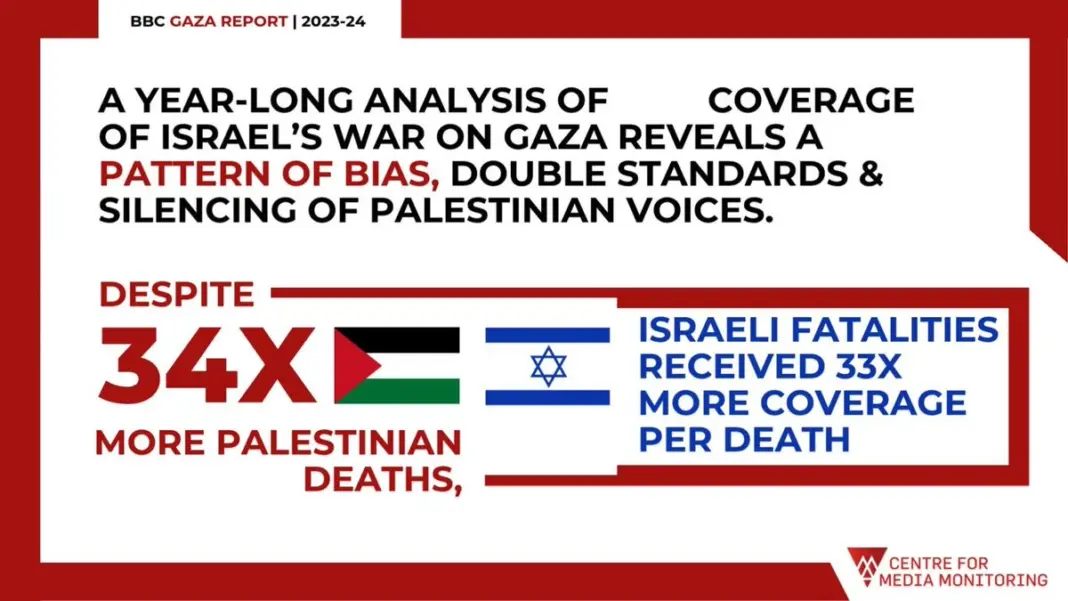
What makes Blumenthal’s claims resonate now is the shifting tide of U.S. public opinion. For decades, support for Israel was a bipartisan cornerstone of American politics. Today, however, younger Americans are increasingly skeptical of what Blumenthal calls the “Israel-first doctrine,” especially in light of the Gaza war.
Graphic images circulating online—often via TikTok before censorship campaigns intensified—have played a key role in that shift. Polls show a widening generational divide, with Democratic voters under 40 far less supportive of Israel than their older counterparts.
Blumenthal and his allies argue that this erosion of support poses a long-term challenge for AIPAC and the donor networks Netanyahu relies on. Yet for now, the system endures: candidates from both parties compete for pro-Israel endorsements, campaign contributions flow through familiar channels, and even presidents are hesitant to cross Netanyahu.
The Larger Question
At its core, the controversy surrounding Blumenthal’s claim is less about Donald Trump personally than about the structural imbalance it reveals. How is it that a superpower like the United States appears beholden to the strategic interests of a much smaller state? Why do acts of espionage, manipulation, and political coercion elicit barely a whisper of protest from Washington?
The political scientists John Mearsheimer and Stephen Walt tried to answer these questions in their 2007 book The Israel Lobby, which argued that U.S. foreign policy had been dangerously distorted by pro-Israel influence. At the time, the thesis was branded controversial, even taboo. Today, amid revelations of spying, donor manipulation, and buried assassination plots, it reads less like provocation and more like description.
Whether or not Trump is personally afraid of Netanyahu may ultimately be unknowable. Trump’s mercurial style means he sometimes postures as independent, only to quietly fall in line. Yet Blumenthal’s broader point—that U.S. presidents operate under the shadow of Netanyahu’s influence—resonates far beyond Trump himself.
The question, as younger Americans turn against unconditional support for Israel, is whether that dynamic can last. For now, Netanyahu still walks into Congress to thunderous applause, and U.S. presidents still hesitate to challenge him directly. But cracks are widening in the façade of bipartisan consensus, and the fear that has long silenced Washington may not hold forever.